


Why the most powerful stories deserve more than a social post


We’ve spent a lot of time recently discussing the future of digital storytelling and the need to move beyond the constraints of the daily social feed. After all, the most powerful charity stories deserve more than just a static post.
To help explore how we can bridge this gap, one of our founders Ben, sat down with Henry, founder of WAM Works, to look at the mediums that give the biggest stories the room they deserve.
Ben: Henry, we talk a lot at the agency about the “content arms race.” Charities today are juggling massive economic pressure and shrinking attention spans. You’ve mentioned before that there’s a widening gap between the incredible stories these organisations hold and the formats they actually use. What’s the danger in just sticking to the standard social post?
Henry: The danger is that when the medium is too small for the message, the message loses. Charities hold powerful stories – lives being rebuilt or rare species saved – but they often end up compressed into a single picture and a “link in bio”. The best stories can change how someone sees the world, but they need room to breathe.
1. The Case for Immersive Storytelling
Ben: One way to give them that room is through immersive experiences. Historically, that’s felt like a high-tech barrier for many. Is that still the case?
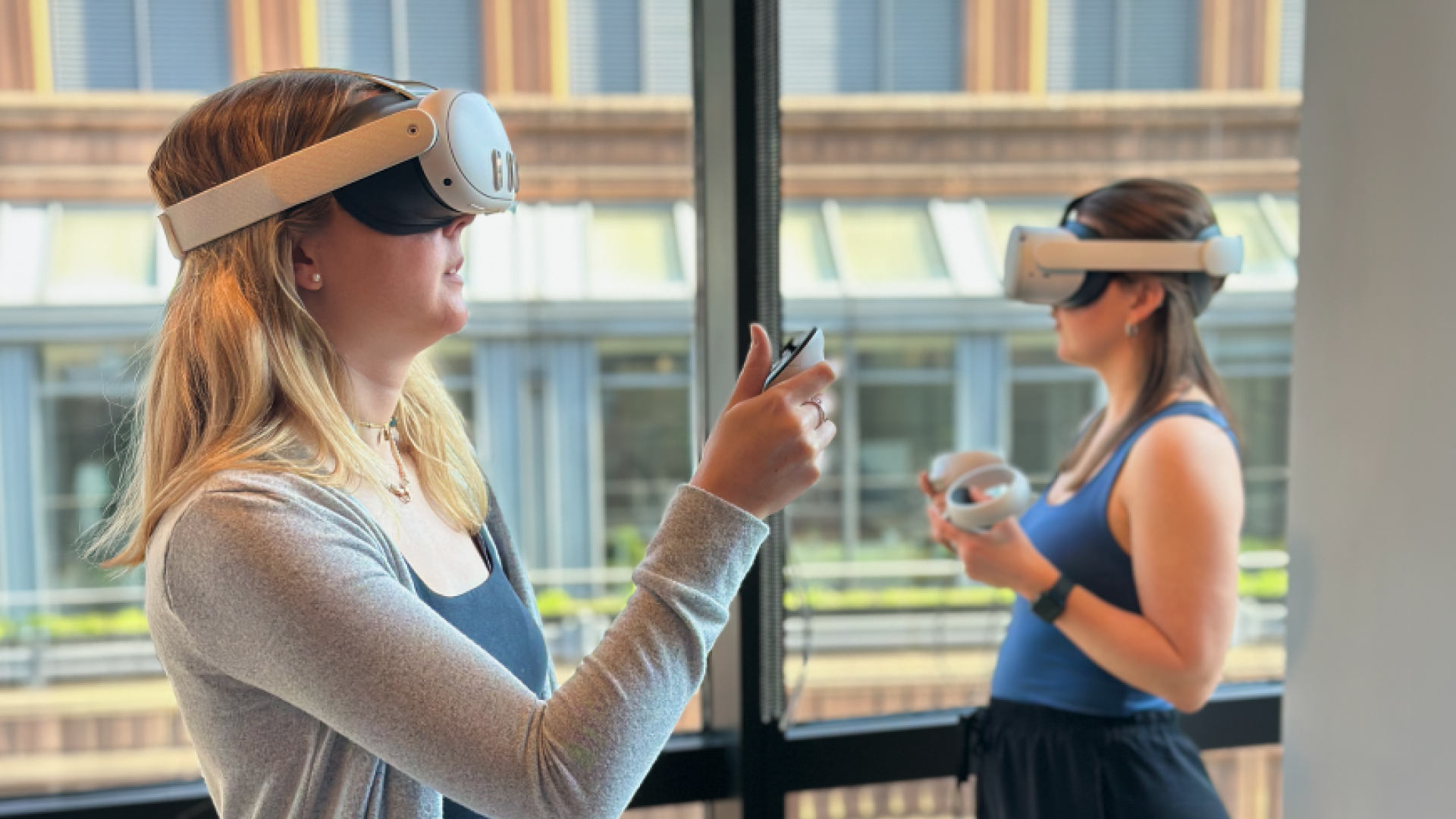
Henry: It’s actually becoming much more accessible. Headsets are more common, and WebXR lets people access immersive experiences directly in their browser.
Ben: So, it’s less about the “gadget” and more about the engagement?
Henry: Exactly. Static posts ask for three seconds of attention; immersive experiences ask for much longer – and they get it. For example, UNICEF used an 8-minute VR film, Clouds Over Sidra, and reported that donation rates roughly doubled. It transported the donor into the story in a way photography simply couldn’t. It makes a lasting impression, leading to a much more valuable interaction.
2. Physical Installations in a Digital World
Ben: You also champion physical installations. It seems counterintuitive for a digital-first world – why move back into physical spaces?
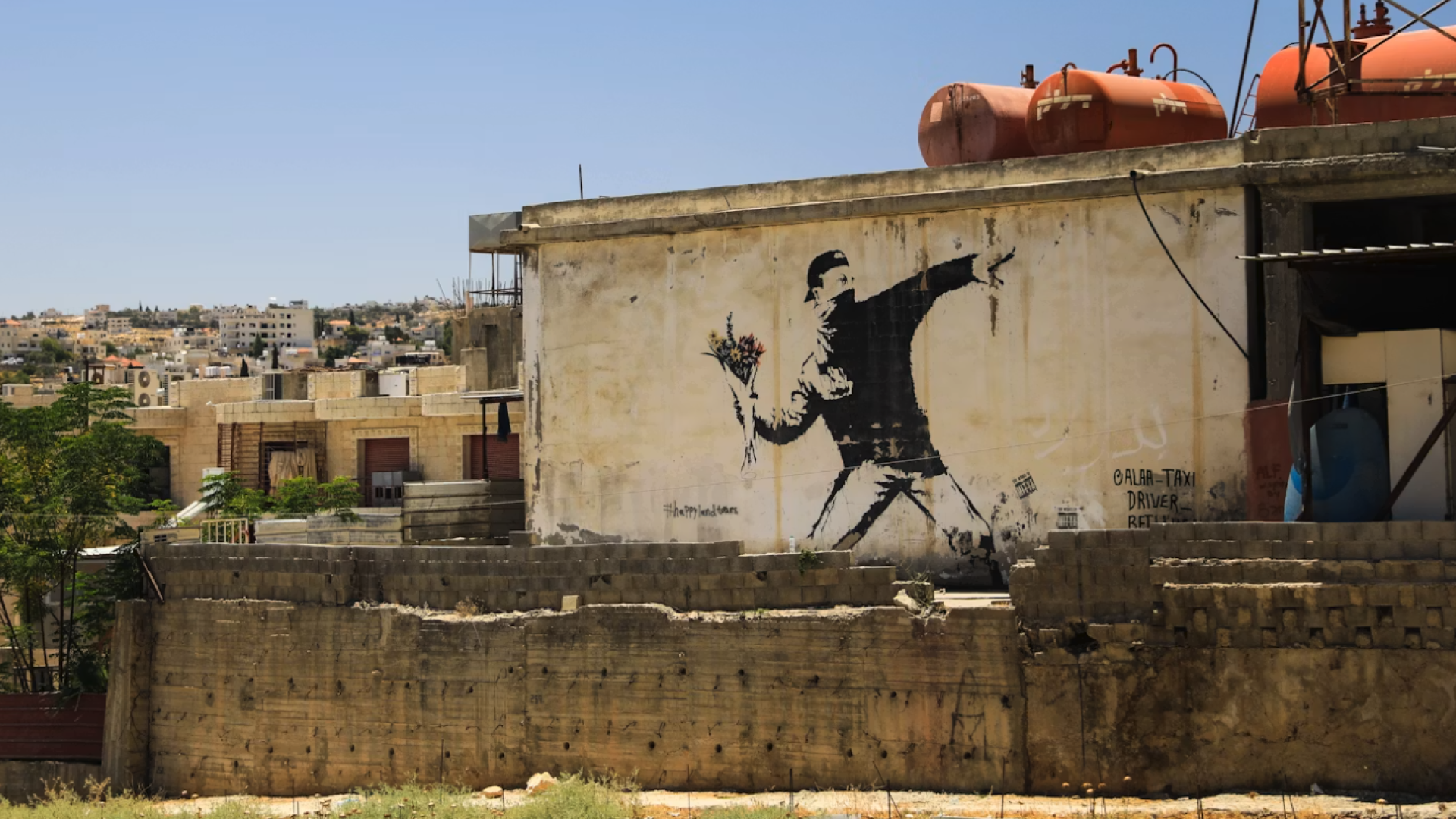
Henry: Because it’s the opposite of a feed you scroll through every day. You can’t skip past something you’re physically standing in front of. Think of the most memorable stories of the last twenty years – they weren’t posts; they were things you stood in front of, like the 72,000 figures for Shrouds of the Somme or Banksy’s Walled Off Hotel.
Ben: So, it’s about turning the viewer into a “witness”?
Henry: Precisely. These activations earn organic media coverage that digital campaigns rarely do. They live on as shared memories and news footage long after the event ends. It makes the story physically present in a world trained to scroll.
3. Turning Audiences into Participants
Ben: We often see “interactive” content that is just a fancy slideshow. How do we move someone from being an unengaged spectator to a true participant?
Henry: That’s where playable experiences come in. A decision-making reader is a “present” reader; they can’t fake engaging with the story.
Ben: What does that look like in practice for a charity?
Henry: It can range from scroll-driven narratives like the New York Times’ “Snow Fall” to mobile experiences like UNHCR’s “Finding Home”. That specific project puts players in front of the same impossible choices refugees face. The player doesn’t just empathise from a distance; they are inside the decisions. Moral choice hits much harder than passive sympathy.

The Verdict
Ben: I think it’s important to clarify – we aren’t saying social posts are dead. They still do the heavy lifting at the top of the funnel, right?
Henry: Of course. Feed content is a quick, cheap way to gain attention. But it should be used in combination with these more powerful demonstrations.
Ben: It sounds like the goal is to match the format to the “weight” of the story.
Henry: Exactly. Not everything needs to be a VR film or a public installation, but the biggest, most important stories deserve more than just a square and some text.
Does your organisation have a story that has outgrown the social media grid? Let’s talk about how we can build a format that matches the weight of your mission.


